
Alcohol Addiction Centers in Tennessee
Alcohol Rehab Tennessee links you to SAMHSA-accredited alcohol treatment centers providing medical withdrawal management, inpatient residential programs, PHP, IOP, and outpatient sessions. Nearly all alcohol rehab facilities take private insurance and Tennessee Medicaid. Use our free directory to review programs by level of care, geographic location, and insurance accepted — or phone our 24/7 helpline for same-day placement.
Signs and Symptoms of Alcohol Addiction
Alcohol use disorder is a chronic medical condition with recognizable signs. Spotting these indicators early — in yourself or someone close to you — accelerates entry into evidence-based treatment and significantly increases successful recovery outcomes.
Physical Signs
- •Changes in appetite, disrupted sleep, or persistent fatigue
- •Unexplained weight shifts
- •Facial flushing or persistent redness
- •Deterioration in grooming and cleanliness
- •Hand tremors or shakiness
- •Slurred speech or coordination problems
Behavioral Signs
- •Drinking more than intended or over extended timeframes
- •Multiple unsuccessful attempts to decrease or stop drinking
- •Substantial time spent acquiring, consuming, or recovering from alcohol
- •Abandonment of professional, academic, or home responsibilities
- •Persisting with use despite observable relationship damage
- •Loss of participation in meaningful social and recreational experiences
Psychological Signs
- •Persistent strong desire or need to consume alcohol
- •Emotional instability, anger, or nervous tension without alcohol
- •Using alcohol to mask stress, past trauma, or emotional suffering
- •Impaired thinking, poor judgment, and reactive decision-making
Recognizing these signs in yourself or a loved one? Reach out to +1 (888) 741-8293 for a no-cost, confidential evaluation — 24/7.
Alcohol Rehab Treatment Programs by Level of Care
Successful alcohol recovery progresses through structured treatment levels — from medically managed detox through sustained outpatient recovery. The appropriate level is determined by severity of alcohol dependence, concurrent medical conditions, and individual circumstances.
Medical Detox
3–7 daysMedically supervised alcohol withdrawal management under 24-hour nursing and doctor supervision. Necessary for people with severe alcohol dependency before entering residential or outpatient programs. Medical detox reduces withdrawal mortality from up to 15% (unmanaged cases) to under 1%.
Residential Treatment (Inpatient)
28–90 daysRound-the-clock structured care in a residential setting. Programs include cognitive behavioral therapy (CBT), community group sessions, family involvement, and relapse prevention techniques. Ideal for severe alcohol use disorder or when home circumstances complicate recovery.
Partial Hospitalization Program (PHP)
4–6 hours/day, 5 days/weekStructured daytime treatment with evenings at home. PHP bridges residential care and IOP, delivering thorough clinical treatment while enabling continued family connection and daily activities.
Intensive Outpatient Program (IOP)
9–20 hours/weekScheduled sessions combining group and individual counseling while keeping work, education, or family responsibilities. IOP frequently follows PHP or residential treatment and suits mild-to-moderate alcohol use disorder.
Standard Outpatient
1–3 sessions/weekRegular individual counseling, peer group sessions, and sobriety maintenance for individuals progressing through early recovery. Most centers provide graduate programs, 12-step connections, sober housing referrals, and virtual options for geographically isolated participants.
Alcohol Withdrawal Symptoms, Timeline, and Medical Detox
Alcohol withdrawal happens when someone physically reliant on alcohol reduces or stops drinking. Symptoms can be mildly uncomfortable or critically dangerous depending on drinking history and withdrawal severity. Medically supervised detox manages withdrawal securely under physician and nursing care.
Early (6–12 hours)
Trembling, perspiration, elevated heart rate, anxiety, nausea, restlessness, and cravings
Peak (24–72 hours)
Vomiting, diarrhea, hallucinations, elevated blood pressure, rapid pulse, severe tremors, potential seizures, and delirium tremens (DTs)
Resolution (7–10 days)
Gradual recovery; lingering fatigue, mood fluctuations, and sleep disruption may continue
Common Withdrawal Symptoms
Medical detox reduces withdrawal mortality risk from up to 15% in serious untreated cases to under 1%. Never attempt alcohol detoxification alone — seizure risk, delirium tremens, and cardiac arrest are medical emergencies that require immediate intervention.
Post-Acute Withdrawal Syndrome (PAWS) — prolonged mood variability, insomnia, and cravings — can persist weeks to months after acute detox concludes. Naltrexone-based MAT and behavioral interventions markedly decrease PAWS intensity.
Medication-Assisted Treatment (MAT) — FDA-Approved Options for Alcohol
MAT blends FDA-approved medications with talk therapy to manage alcohol use disorder. SAMHSA and the American Society of Addiction Medicine (ASAM) recommend MAT as evidence-supported care — reducing relapse by 40–70% and boosting therapy engagement in controlled trials.
Naltrexone / Vivitrol
An opioid receptor antagonist that blocks the rewarding effects of alcohol. Monthly injections (Vivitrol) provide continuous medication. Oral naltrexone taken daily is also available.
Alcohol use disorder maintenance and relapse avoidance, especially post-detox
Prescribed by any licensed physician. No clinic monitoring required. Covered by most private and state Medicaid plans.
Acamprosate / Campral
Restores neurochemical equilibrium in the alcohol-altered brain. Reduces cravings and protects against relapse without producing intoxication or dependence.
Alcohol use disorder prevention after detox; suitable for people with serious liver disease
Oral medication dosed three times daily. Safe during pregnancy. Most insurance plans cover.
Disulfiram / Antabuse
Creates an unpleasant reaction (nausea, flushing, chest pain) when alcohol is consumed. Deters drinking through negative conditioning.
Individuals highly motivated to stay sober and with strong psychosocial backing
Daily oral tablet. Requires commitment and awareness of alcohol in foods and medications. Insurance typically covers.
Topiramate / Topamax
An off-label anticonvulsant that decreases cravings and improves mood in alcohol use disorder. Used increasingly in clinical practice.
Alcohol dependence with co-occurring mood disorders or seizure history
Oral daily medication. Requires routine medical supervision. Covered by many insurance programs.
MAT does not swap one drug for another. These FDA-authorized or evidence-supported medications correct brain chemistry abnormalities, minimize drinking urges, and avert relapse — permitting recovery-focused behavioral treatment.
How Much Does Alcohol Rehab Cost?
Alcohol treatment expenses depend on program duration, care level, and insurance status. The Mental Health Parity and Addiction Equity Act mandates that most health plans cover alcohol treatment identically to standard medical conditions.
| Program Type | Without Insurance | With Insurance |
|---|---|---|
| Medical Detox (7 days) | $1,500–$8,000 | Usually fully covered |
| Residential / Inpatient (30 days) | $6,000–$30,000 | 50–100% covered |
| Partial Hospitalization — PHP (4 weeks) | $3,000–$10,000 | Most plans cover |
| Intensive Outpatient — IOP (8 weeks) | $1,400–$5,000 | Most plans cover |
| Standard Outpatient (12 weeks) | $500–$2,000 | Co-pay varies |
Dominant private insurers — including Blue Cross Blue Shield, Aetna, Cigna, UnitedHealthcare, and Humana — are legally required to cover alcohol treatment. Medicaid also funds alcohol treatment programs in Tennessee. Phone our free helpline to verify your coverage in under 2 minutes.
How to Find the Right Alcohol Rehab Program
Alcohol Rehab Tennessee streamlines the process of finding accredited, insurance-compatible alcohol treatment programs — from initial search to immediate admission.
Search & Compare
Filter our SAMHSA-accredited alcohol rehab directory by city, ZIP code, insurance carrier, level of care (medical detox, inpatient, PHP, IOP, standard outpatient), and specialization. Each listing displays Joint Commission certification, covered insurance plans, and available clinical approaches.
Reach Our Free Helpline
Connect with a trained addiction counselor at +1 (888) 741-8293 — available 24/7, completely free, and fully confidential. Our specialists evaluate your medical situation, respond to treatment inquiries, and identify suitable alcohol rehab programs based on your clinical profile.
Confirm Insurance Coverage
Our benefits specialists contact your insurance provider to verify coverage details, deductible amounts, and out-of-pocket expenses for alcohol use disorder treatment. If you lack insurance, we examine Medicaid eligibility and Tennessee state-funded alcohol treatment programs during your call. This verification typically takes 10 minutes with no commitment required.
Start Treatment
After matching, most alcohol rehab centers admit patients within 24–48 hours. Your clinical team designs a personalized recovery plan incorporating medical detoxification, evidence-based modalities (CBT, MAT, MI), and structured aftercare spanning 12 months.
How to Choose the Right Alcohol Rehab Center
The optimal alcohol rehab center aligns with your medical requirements, insurance availability, geography, and favored care intensity. Evaluate alcohol treatment programs using these five critical measures.
Accreditation
Seek Joint Commission Gold Seal, CARF certification, or NAATP affiliations — indicators of clinical standards and quality oversight.
Evidence-Based Care
The center must employ CBT, MAT medications, and customized plans — not group-only or 12-step-exclusive models.
Dual Diagnosis Capability
If experiencing depression, PTSD, panic, or mood changes, choose centers providing integrated mental health and alcohol treatment.
Family Involvement
Excellence includes family sessions, psychoeducation, and sustained family partnership — addiction affects household systems.
Aftercare Planning
Inquire about continuing-care programs, alumni networks, recovery community links, and follow-up services — recovery extends beyond discharge.
Questions to Ask Before You Enroll
- 1.What programs do you offer (detox, residential, PHP, IOP)?
- 2.Do you take my insurance? What are my financial obligations?
- 3.Which evidence-based approaches are used (CBT, MAT, DBT)?
- 4.How do you address coexisting mood, anxiety, or trauma disorders?
- 5.What ongoing support and alumni offerings do you provide?
- 6.What is your staff-to-patient ratio and staff licensure status?
Featured Alcohol Rehab Centers
Explore our carefully selected group of highly-regarded centers with established track records of sustainable recovery
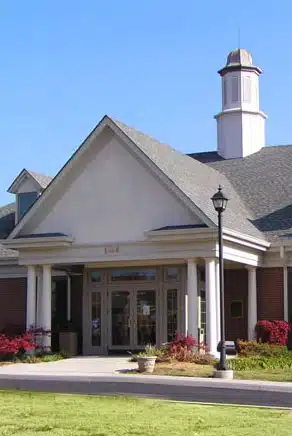
4th Judicial District Recov Servs Inc
White Pine, TN
4th Judicial District Recovery Services Inc in White Pine, TN provides comprehensive substance use treatment with a focus on individuals navigating the criminal justice system and those managing co-occurring mental health disorders. The facility offers intensive outpatient and regular outpatient programs alongside transitional housing support, utilizing evidence-based approaches including cognitive behavioral therapy, relapse prevention, and the Matrix Model. Accredited by both state substance use and mental health departments, they deliver personalized care designed for lasting recovery.
Services:
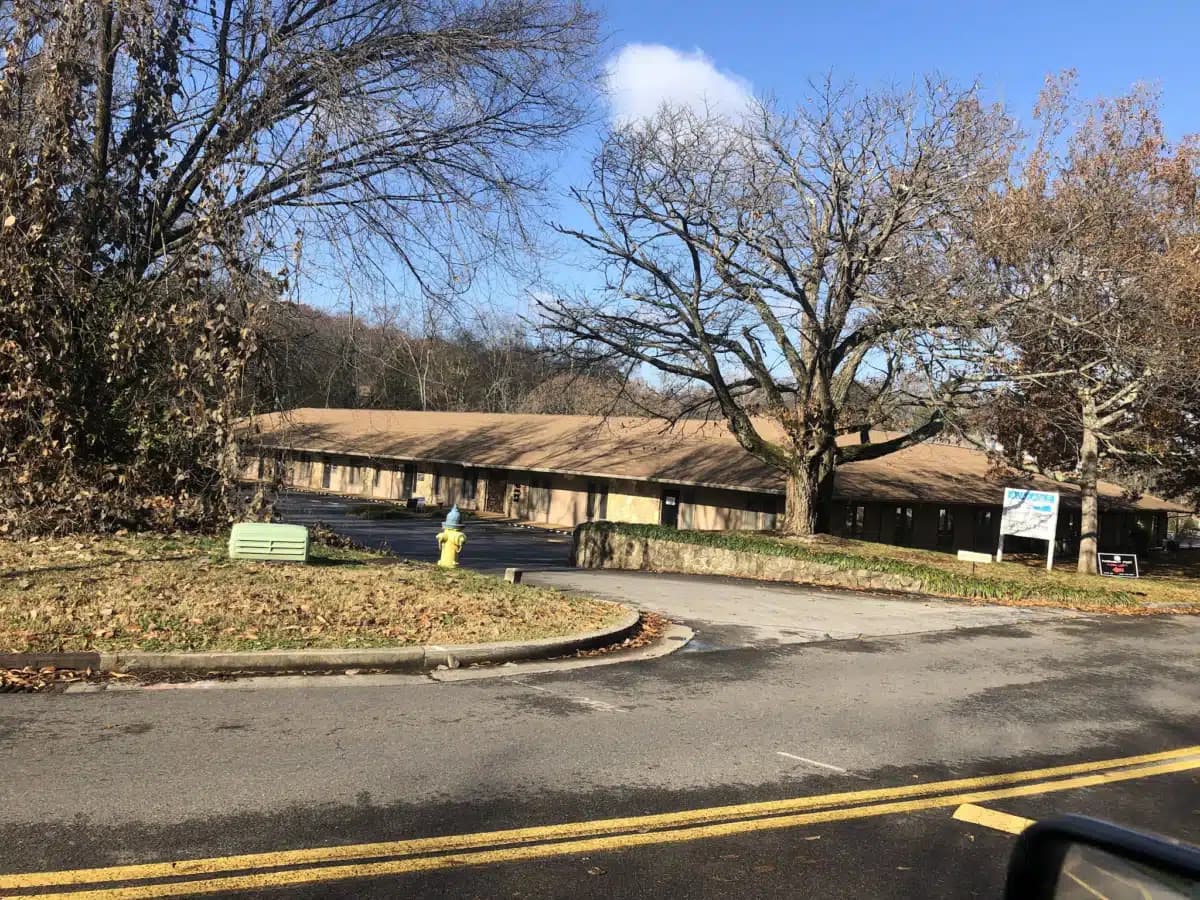
A DUI and Defensive Driving School Inc
Knoxville, TN
A DUI and Defensive Driving School Inc in Knoxville, Tennessee provides evidence-based substance use treatment with a focus on cognitive behavioral therapy for individuals navigating the criminal justice system. Serving adolescents, young adults, and women through outpatient programs, this facility specializes in helping clients address underlying behavioral patterns that contribute to substance misuse. Accredited by multiple state agencies and the Council on Accreditation, they combine therapeutic intervention with practical skills development.
Services:
 Featured
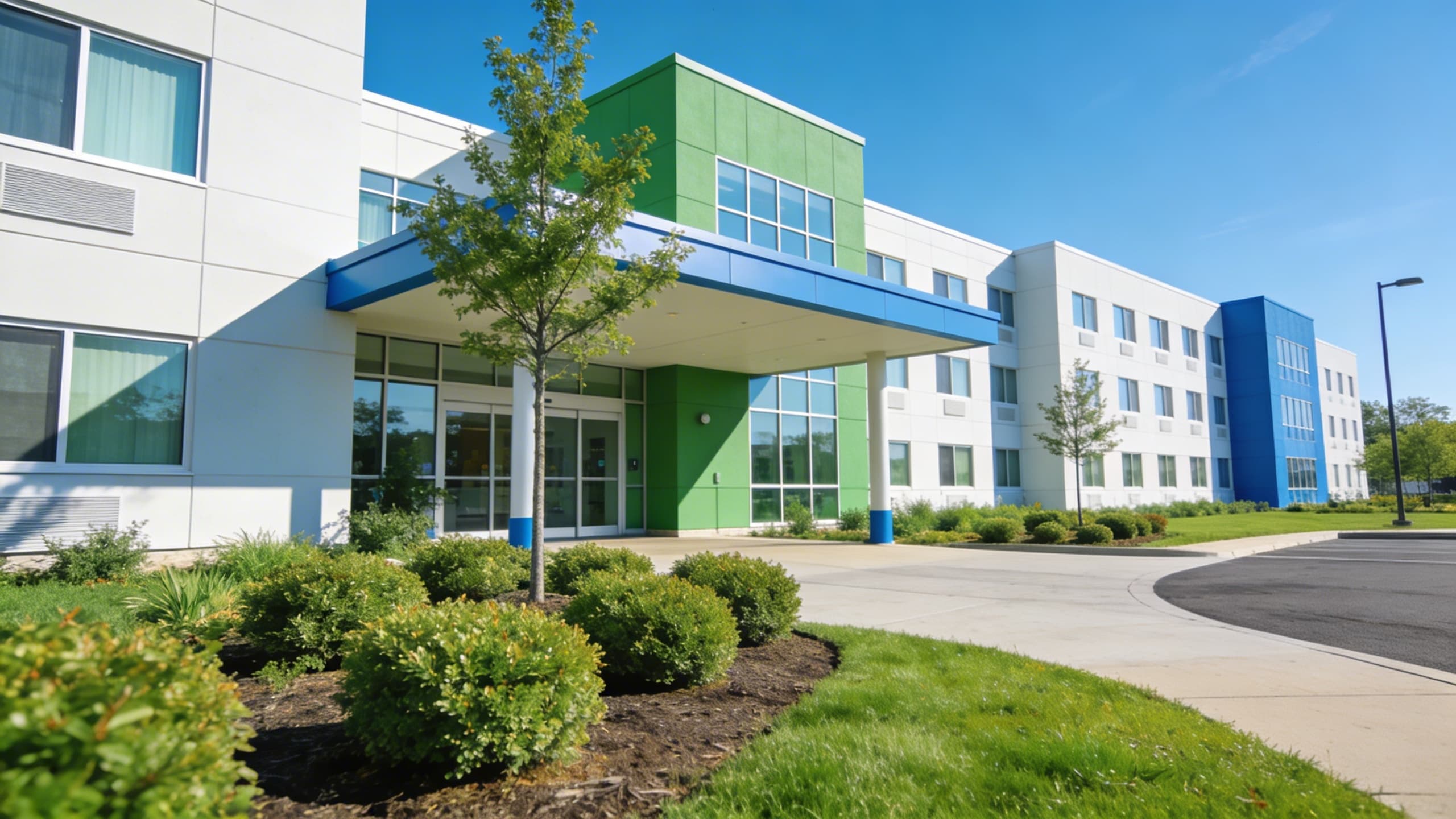
A Mothers Love
Jackson, TN
A Mother's Love is a specialized substance use treatment center in Jackson, TN offering comprehensive residential care for women navigating recovery alongside trauma, mental health challenges, and motherhood. The facility provides long-term, short-term, and 24-hour residential programs tailored specifically for pregnant and postpartum women, trauma survivors, and those managing co-occurring disorders. With evidence-based therapies including CBT, motivational interviewing, and trauma-informed counseling, A Mother's Love addresses the unique needs of mothers in recovery.
Services:
ARCH Academy
Kingston Springs, TN
ARCH Academy in Kingston Springs, TN offers comprehensive substance use treatment for adolescents through multiple care settings, from intensive outpatient programs to long-term residential services. The facility employs evidence-based approaches including cognitive behavioral therapy, motivational interviewing, trauma-focused counseling, and 12-step facilitation to address the root causes of addiction. Accredited by The Joint Commission and Tennessee's state substance use treatment agency, ARCH Academy combines clinical expertise with personalized care pathways for teen recovery.
Services:
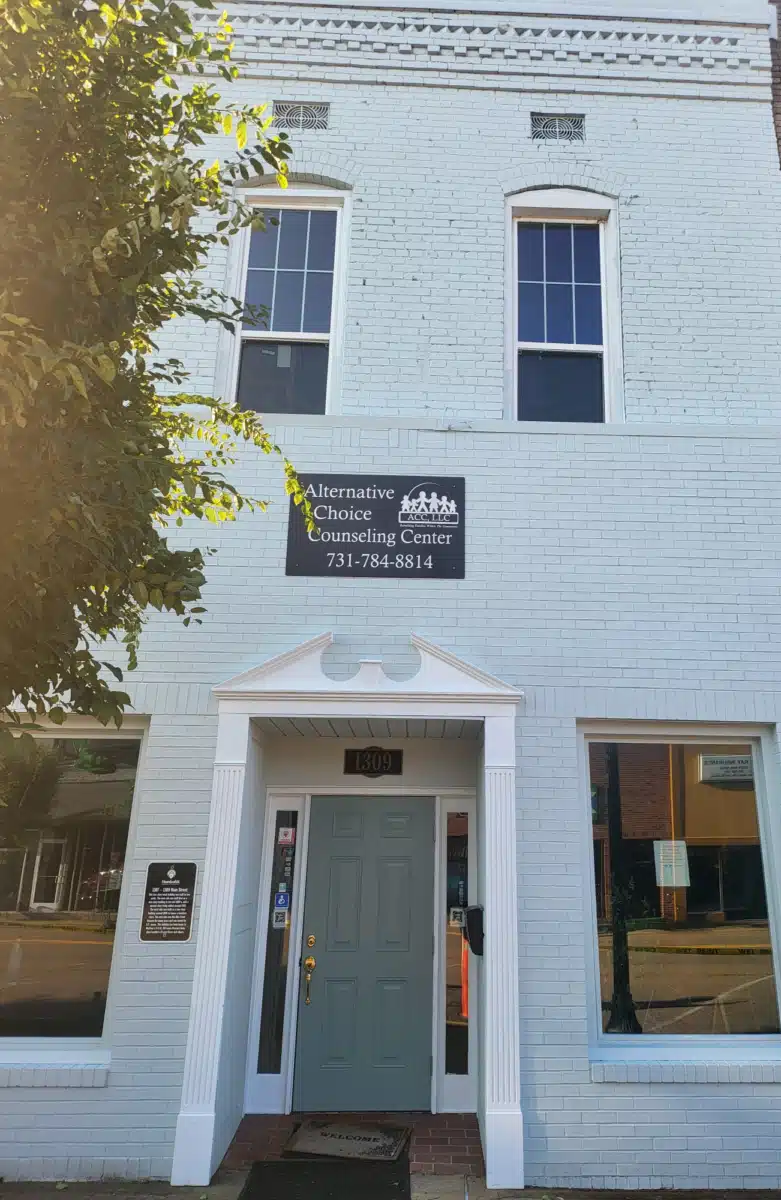
Alternative Choice Counseling Ctr LLC
Humboldt, TN
Alternative Choice Counseling Center LLC in Humboldt, TN specializes in comprehensive substance use treatment and dual diagnosis care for adults and children experiencing co-occurring mental health and substance use disorders. Their evidence-based approach combines 12-step facilitation, cognitive behavioral therapy, motivational interviewing, and trauma-informed counseling, with flexible delivery through both in-person intensive outpatient and telehealth services. The center serves diverse populations including military personnel, veterans, LGBTQ+ clients, and individuals with specialized needs such as trauma history or co-occurring pain disorders.
Services:
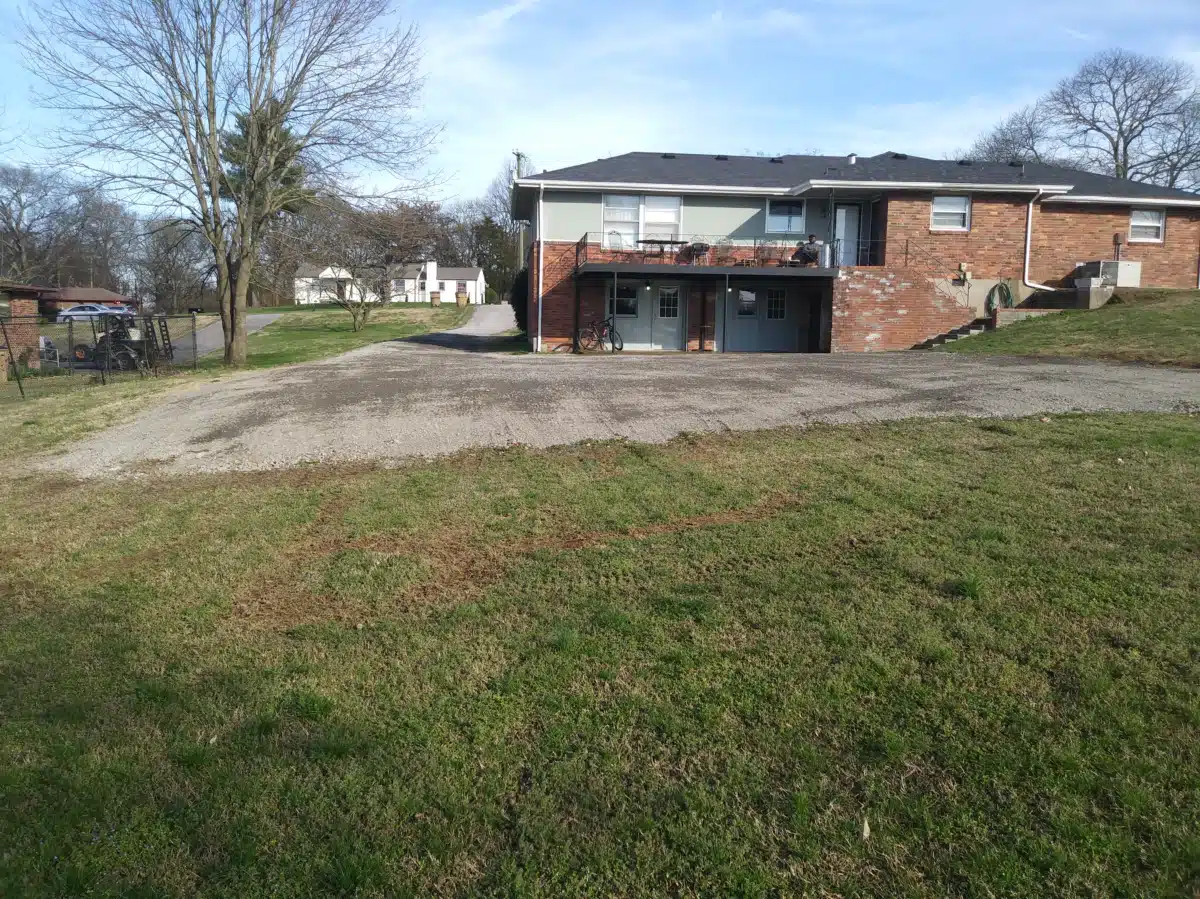
Aphesis House Inc
Madison, TN
Aphesis House Inc in Madison, TN provides comprehensive long-term residential treatment for men struggling with substance use and co-occurring mental health disorders. Specializing in evidence-based therapies including cognitive behavioral therapy, trauma counseling, and relapse prevention, the facility serves individuals transitioning from the criminal justice system with compassionate, 24-hour care. As a state-accredited substance use treatment provider, Aphesis House creates a structured sober living environment where residents rebuild their lives with professional support.
Services:
Evidence-Based Treatment Methods for Alcohol Recovery
Alcohol Rehab Tennessee lists facilities employing research-validated strategies for alcohol use disorder — most comprehensive programs integrate multiple modalities customized to each person's needs.
Cognitive Behavioral Therapy (CBT)
Identifies and shifts thought-behavior-emotion cycles that precipitate drinking. CBT is the best-documented therapy for alcohol disorders and works with co-occurring conditions.
Medication-Assisted Treatment (MAT)
FDA-approved medications — naltrexone, acamprosate, disulfiram — lower cravings and prevent relapse. SAMHSA and ASAM designate MAT the gold-standard approach for alcohol and opioid conditions.
12-Step Facilitation
Mutual aid recovery programs (AA) merged with professional treatment. Research documents that 12-step participation paired with clinical therapy boosts 12-month sobriety by 20–30%.
Motivational Interviewing (MI)
Collaborative dialogue that fortifies readiness for transformation. Exceptionally beneficial for persons uncertain about commencing or persisting in recovery.
Dual Diagnosis Treatment
Synchronized care for co-occurring psychological health challenges — despair, trauma, worry, mood variation — addressed side-by-side with alcohol dependence. Nearly half of alcohol-dependent individuals carry a mental health diagnosis.
Find Treatment by Type
Specialized programs designed to meet your unique recovery needs
Insurance and Payment Options
Alcohol Rehab Tennessee confirms that listed alcohol rehab programs take major insurance — Blue Cross Blue Shield, Aetna, Cigna, UnitedHealthcare, Humana, and Tennessee Medicaid.


.svg?dpl=dpl_43D8YfmZFZYRujzT4gY13PvpW9Zv)

Numerous Tennessee facilities display Joint Commission Gold Seal or CARF accreditation — both mark clinical quality. Federal parity rules mandate that health plan alcohol treatment support mirror standard medical benefits.
Frequently Asked Questions About Alcohol Rehab
The most frequent inquiries regarding alcohol treatment center choices include expenditure, duration, coverage, and program results — direct responses below.
How much does alcohol rehab cost in Tennessee?
Costs span from zero (Tennessee state-subsidized programs) to $1,500–$3,000 daily at premium inpatient locations. Private insurance commonly covers alcohol treatment under mental health parity requirements. A typical 30-day residential program costs $4,000–$12,000 out-of-pocket with coverage. Phone our free service to determine your exact Tennessee insurance benefits.
How long is rehab for alcohol addiction?
Medical withdrawal management runs 3–7 days. Brief residential stays span 28–30 days. Customary inpatient treatment lasts 60–90 days. IOP programs extend 8–12 weeks. Clinical research demonstrates that 90-day interventions yield markedly superior results compared to 30-day programs when alcohol dependence is moderate-to-severe.
How do I pay for alcohol rehab in Tennessee?
Step 1: Call your insurance provider to verify alcohol addiction benefits. Step 2: Utilize our complimentary insurance verification service — we communicate with your insurer directly regarding coverage, copay amounts, and in-network facilities. Step 3: Uninsured? Request evaluation for Tennessee Medicaid or state-funded alcohol programs. Federal requirements mandate that most plans fund addiction care.
What is the success rate for alcohol addiction rehab?
Sustained recovery (12+ months abstinence) occurs in 40–60% of participants following evidence-supported alcohol treatment with continuing support. Programs combining medication-assisted treatment (naltrexone, acamprosate), behavioral therapy, and long-term aftercare show superior results. SAMHSA research indicates that engagement in comprehensive treatment and peer support is the strongest predictor of sustained sobriety.
Alcohol Addiction by the Numbers
Data about alcohol use disorder at the national and state level illustrates the significance of accessible, quality treatment.
American adults with alcohol use disorder annually (SAMHSA, 2023)
Alcohol-attributable deaths in the United States annually (CDC)
Sustained recovery rate with medication-assisted treatment and aftercare
Of people with alcohol use disorder obtain specialist treatment (NIAAA)
Sources: SAMHSA 2023 NSDUH, CDC WONDER, National Institute on Alcohol Abuse and Alcoholism

Understanding Alcohol and Substance Use Disorders
An estimated 48.7 million Americans aged 12 and older live with substance use conditions (SAMHSA, 2023). Alcohol use disorder specifically affects 29.5 million American adults annually. Research-backed residential and outpatient alcohol treatment delivers 40–60% sustained recovery rates at 12-month follow-up when integrated with continuing aftercare — positioning professional rehabilitation among the most powerful medical treatments for chronic disease.

How Alcohol Rehab Tennessee Connects You With Verified Alcohol Care
Alcohol Rehab Tennessee maintains the most thorough verified alcohol treatment directory, cross-referenced with SAMHSA's Treatment Locator, NIH behavioral health databases, and Tennessee licensing authorities. Each alcohol program is reviewed for valid licensure, insurance participation, CARF or Joint Commission accreditation, and available recovery modalities. Our round-the-clock specialists deliver free, private assistance — zero obligation.
How We Verify Our Alcohol Rehab Listings
Alcohol Rehab Tennessee maintains a verified alcohol treatment directory — every listing is cross-verified with authoritative sources to guarantee accurate, current information.
SAMHSA Treatment Locator
The Substance Abuse and Mental Health Services Administration maintains the federal alcohol treatment directory.
NIH Behavioral Health Databases
National Institutes of Health databases confirm evidence-based approaches and facility-level outcomes.
Tennessee State Licensing
All Tennessee alcohol rehab centers are confirmed current on state licensure credentials.
CARF / Joint Commission
Facility claims of CARF or Joint Commission standing are separately validated.
Alcohol Rehab Tennessee rejects facility payments for elevated listings or placement priority. All alcohol treatment centers are ranked via objective metrics: current SAMHSA certification, valid state license, participating insurance companies, and available clinical modalities.
What Our Users Say
Genuine testimonies from alcohol-dependent individuals who located treatment using our directory.
“I used this service to find an alcohol rehab center in Nashville in 15 minutes. Following a 60-day program, I'm 14 months alcohol-free and rebuilding my family.”
Michael T.
Nashville, TN
“The insurance verification was incredibly helpful. I had no idea my plan covered IOP. The counselor assisted me at every stage without pressure.”
Sarah K.
Memphis, TN
“As a family member searching for support, I felt guided every step. The hotline found us a program treating both my husband's alcohol dependence and his depression.”
Patricia M.
Knoxville, TN
Free Alcohol Treatment Resources in Tennessee
If personal payment for alcohol treatment is not feasible, state and federal resources deliver free and subsidized options.
SAMHSA National Helpline
Free, confidential, round-the-clock alcohol treatment referrals and information. Call 1-800-662-HELP (4357).
Tennessee Medicaid Alcohol Programs
Tennessee Medicaid covers alcohol treatment via managed care organizations. Verify qualification through your state health authority.
Crisis Text Line
Text HOME to 741741 to reach trained support specialists. Confidential, 24/7, no charge.
988 Suicide & Crisis Lifeline
Call or text 988 for immediate crisis assistance. Mental health specialists available round-the-clock.
Why Alcohol Rehab Tennessee Is Tennessee's Complete Alcohol Recovery Directory
SAMHSA-Verified Directory
Alcohol Rehab Tennessee cross-checks every Tennessee alcohol rehab against SAMHSA's database and verifies current state authorization before listing.
No Placement Fees
We refuse facility payments for ranking priority or premium positioning. Each listing is algorithmically ranked on objective alcohol treatment criteria — not advertising budgets.
24/7 Licensed Counselors
Our alcohol addiction specialists deliver free, private guidance and match you with insurance-compatible programs within 24 hours. Reach +1 (888) 741-8293.
Complete Clinical Transparency
Every Tennessee alcohol rehab listing displays insurance participation, care levels (detox, inpatient, IOP, outpatient), certification credentials, and accessible treatment modalities.

Medically reviewed by
Dr. Michael James Patterson
Clinical Psychologist
Dr. Patterson has over 15 years of experience in clinical psychology with a specialization in substance abuse disorders and behavioral health. He holds a PhD in Clinical Psychology from Vanderbilt University and has treated thousands of patients in both inpatient and outpatient settings across Tennessee.
Editorial Policy
Alcohol Rehab Tennessee is an independent alcohol rehab directory. Facilities cannot purchase listing rank elevation or premium placement. Listings are ranked using objective alcohol treatment data: confirmed SAMHSA participation, current state authorization, insurance carrier contracts, and accessible treatment modalities. Licensed addiction professionals review content quarterly.
Sources Used on This Page
- SAMHSA (2023). National Survey on Drug Use and Health. U.S. Department of Health and Human Services.
- National Institute on Alcohol Abuse and Alcoholism (NIAAA). Alcohol Use Disorder. NIH, 2024.
- American Society of Addiction Medicine (ASAM). The ASAM Criteria: Treatment Criteria for Addictive, Substance-Related, and Co-Occurring Conditions, 2023.
- Moss, H.B., et al. (2022). Epidemiology of alcohol use disorder and co-occurring conditions. The Lancet Psychiatry.
Medical Disclaimer
Alcohol Rehab Tennessee is a non-medical directory and educational service, not a licensed alcohol treatment provider. Licensed professionals validate content and source data from SAMHSA, NIH, and certified alcohol rehab facilities. This content is educational, not medical guidance, assessment, or care. HIPAA guidelines protect your information privacy. For medical crisis, call 911. For alcohol support, contact SAMHSA: 1-800-662-HELP (4357), 24/7, confidential.
Prepared to Begin Your Alcohol Recovery?
Our caring specialists are ready 24/7 to help you discover the ideal alcohol treatment center. Your call is private and free.
No cost to use • 100% Private • 24/7 Service